Part 2 – Composition Rules and Guidelines


Rule of Thirds:


F-stop: f/9

Shutter Speed: 1/400
ISO: 1600
Date: 1/4/16
Conditions: sunny and no clouds
Firehydrant based on the left side of the photo


F-Stop: f/13
Shutter speed: 1/800
ISO:1600.
Date: 1/4/16
Conditions: sunny and no clouds
Firehydrant based on the right side of the photo
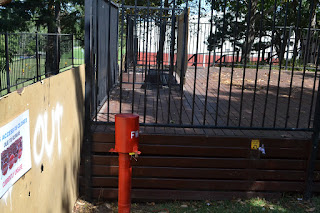


F-Stop: f/10
Shutter Speed: 1/1000
ISO: 1600
Date:1/4/16
Conditions: Sunny and no clouds.
Firehydrants based in the middle of photo.


Rule of Thirds is used as an imaginary guideline of the subject.


Diagonal Rule:

F-Stop: 5.6 
Exposure Time: 1/640 
ISO: 1600 
Weather: cloudy 


F-Stop: 5.6 
Exposure Time: 1/640 
ISO: 1600 
Weather: cloudy  

F-Stop: 5.6 
Exposure Time: 1/640 
ISO: 1600 
Weather: cloudy


Diagonal Rule is used to make the view "drag" their view through a photo or subject.


Leading Lines:


F-Stop: f/5.6
Exposure Time: 1/640
ISO: 1600
Weather: cloudy
Date: 16/3/16


F-Stop: f/13
Exposure Time: 1/640
ISO: 1600
Weather: cloudy
Date: 16/3/16


F-Stop: f/5.6
Exposure Time: 1/640
ISO: 1600
Weather: clear, photo taken under cover.
Date: 16/3/16


Leading lines are used to draw a viewers attention to a specific part of the frame, whether it’s a person or a vanishing point in the background of the frame.


Viewpoint Variation:


Low viewpoint
F-stop: f/18
Shutter Speed: 1/8
ISO: 100
Conditions: cloudy, but clear


Medium viewpoint
Low viewpoint
F-stop: f/18
Shutter Speed: 1/2500
ISO: 100
Conditions: cloudy, but clear


High viewpoint
F-stop: f/18
shutter Speed: 1/1250
ISO: 100


Viewpoints are used in photography to add more detail to a photo. Example being that the high viewpoint tells you that person in the photo has climbed a tree.


Balance (60-30-10)


F-Stop: f/16
Shutter Speed: 1/800
ISO: 16 00
Conditions: Cloudy
Date 21/3/16


F-Stop: f/16
Shutter Speed: 1/800
ISO: 1600
Conditions: Cloudy
Date 21/3/16


F-Stop: f/16
Shutter Speed: 1/500
ISO: 1600
Conditions: Cloudy
Date 21/3/16


I was after contrasting the clouds, which made the building and trees in my subject dark. The aim of 60-30-10 is to divide the photo into 3 sections, one part of the image is made up of 60% of the sky, 30% building and 10% of the ground.

Element 6 - Focal Length


F-Stop: f/18
Shutter Speed: 1/4000
ISO: 100
Focal Length: 18mm
Date: 1/4/16


F-Stop: f/22
Shutter Speed: 1/3200
ISO: 100
Focal Length: 32mm
Date: 1/4/16


F-Stop: f/22
Shutter Speed: 1/3200
ISO: 100
Focal Length: 55mm
Date: 1/4/16


Focal length is measured in millimetres. The smallest being 10 mm which is a wide angle lens and the biggest being 400 mm which is a telephoto lens. These measurements can vary. This means that the size of the focal length depends on the lens itself. An example if a lens says '35 - 105 mm', this means that the lens is capable of zooming from one number to the other.

Element 3 - Position in Relation to Light Source


F-stop: f/5.6
Shutter Speed: 1/15
ISO: 100
Date: 24/3/16
This photo was taken intended with having a light source behind me.


F-stop: f/4.5
Shutter Speed: 1/6
ISO: 100
Date: 24/3/16
This photo was taken intended with looking into the light source.


F-stop: f/5.6
Shutter Speed: 1/5
ISO: 100
Date: 24/3/16
This photo was taken intended with having the light source on the side.


Definition:
how the position of the sun can effect the subject.


Conclusion:
Light Sources are important to composition of a correct photo, as they brighten the image and highlight shadows. The positioning of the subject and light source is important to the photo as it will effect the outcomes. The Main light sources are:

- Sunlight
- Camera Flash
- Studio Lighting


The Video below can how the positioning of a light source can dramatically change the look and shadow of the subject.

Subjects in Relation to the Light Source

Element 4 – Metering Options - Photos


F-Stop: f/10
Exposure Time: 1/400
ISO: 800
Metering Mode: Centre Weighted
Conditions: sunny


F-Stop: f/10
Exposure Time: 1/400
ISO: 800
Metering Mode: Spot
Conditions: sunny


F-Stop: f/10
Exposure Time: 1/400
ISO: 800
Metering Mode: Pattern
Conditions: sunny


Summary: 
A Spot Meter takes a meter reading from a specific part of a scene or subject and allows you to allows you to lock in the exposure.


What is the Camera Metering?
The camera meter is the technology of the camera that evaluates the subject that the camera is looking at and tell you if your photo is under exposed or over exposed. This is shown through the expose meter. However, sometimes, the photographer want a highly exposed photo to display an effect on an under exposed for a different effect. Example below.


Image result for camera metering explained


Element 5 - ISO Rating


Time: 2:20 pm
Conditions: Clear, cloudy
Shutter Speed: 1/80
Aperture: f/8
ISO: 100


Time: 2:20 pm
Conditions: Clear, cloudy
Shutter Speed: 1/80
Aperture: f/8
ISO: 800


Time: 2:20 pm
Conditions: Clear, cloudy
Shutter Speed: 1/80
Aperture: f/8
ISO: 1600


Definition: 
ISO is the measurement of sensitivity of a digital camera's sensors is to light. The speed or light-sensitivity of a digital camera's sensor is rated in ISO numbers -- the lower the number, the slower the response to light. Example below.


Image result for example of iso


Element 1 – Aperture and Depth of Field (DOF) - Photos


F-stop: f/5.6
Shutter Speed: 1/20
ISO: 100
Date: 17/3/16
This photo was used to focus on just the foreground


F-stop: f/9
Shutter Speed: 1/8
ISO: 100
Date: 17/3/16
This photo was used to focus on the foreground and some of the background


F-stop: f/25
Shutter Speed: 1/13
ISO: 1600
Date: 17/3/16
This photo was used to focus on both the foreground and background.


Definitions:
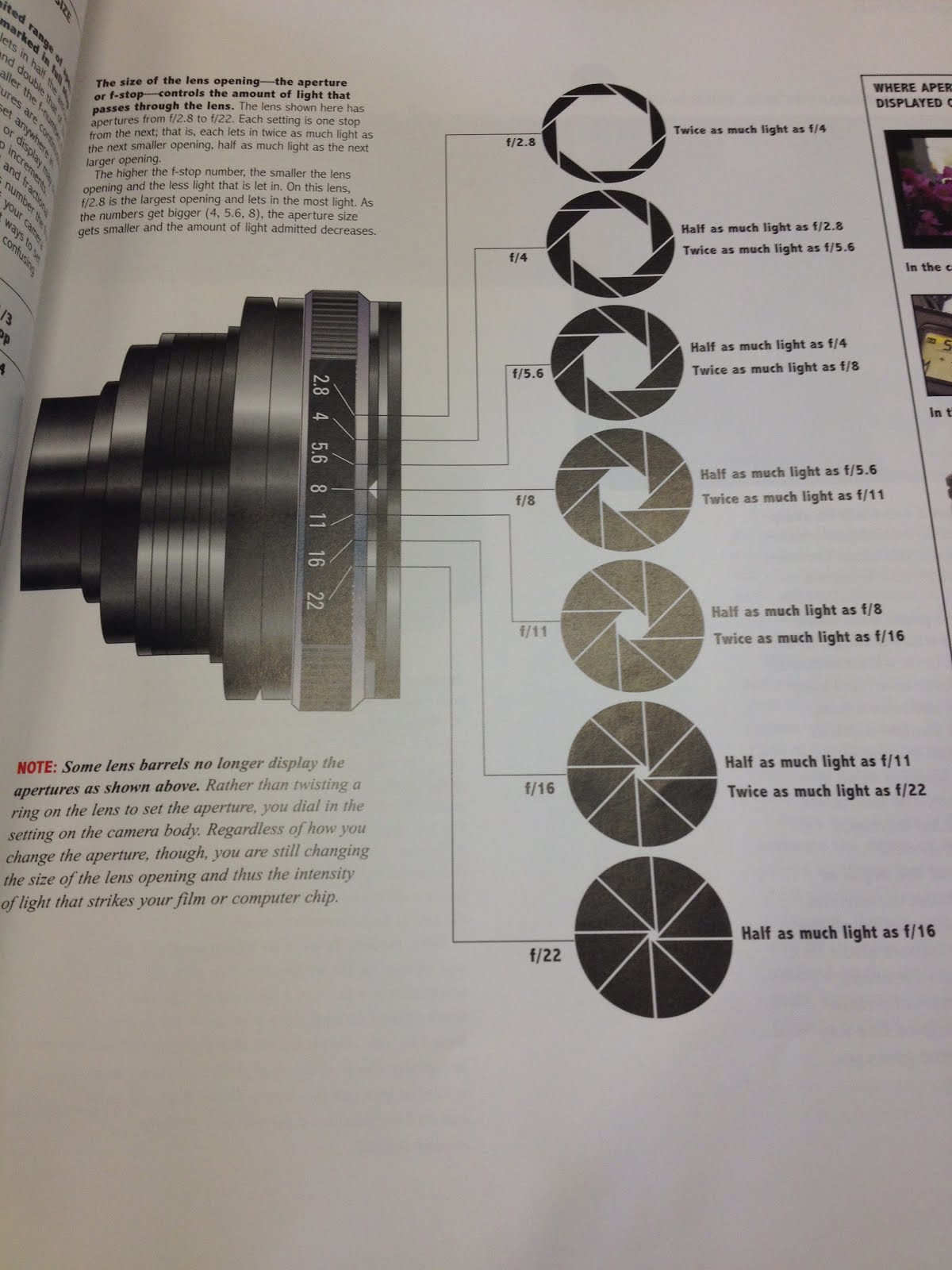
- Aperture: The control of how much light is received by the camera.
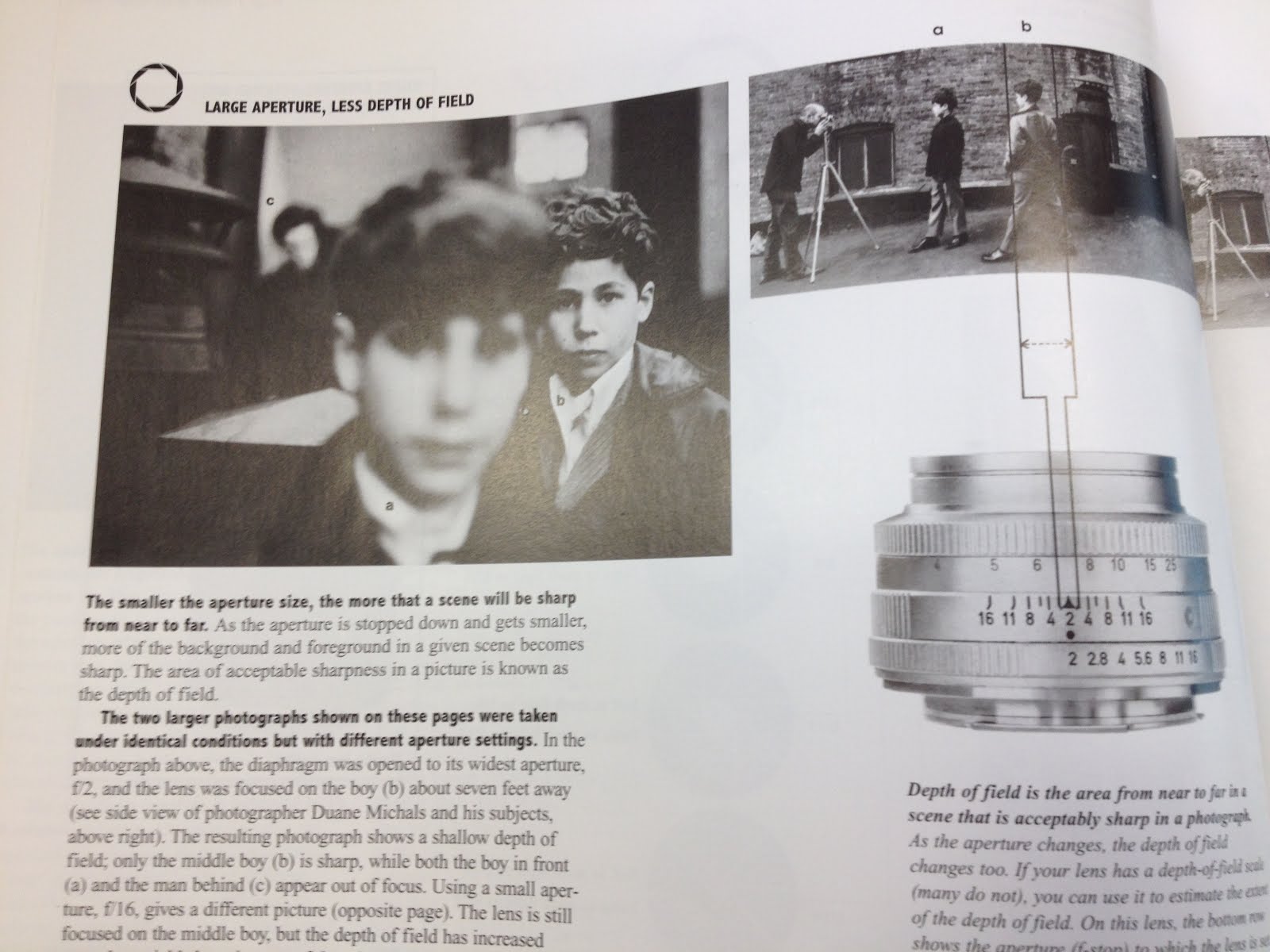
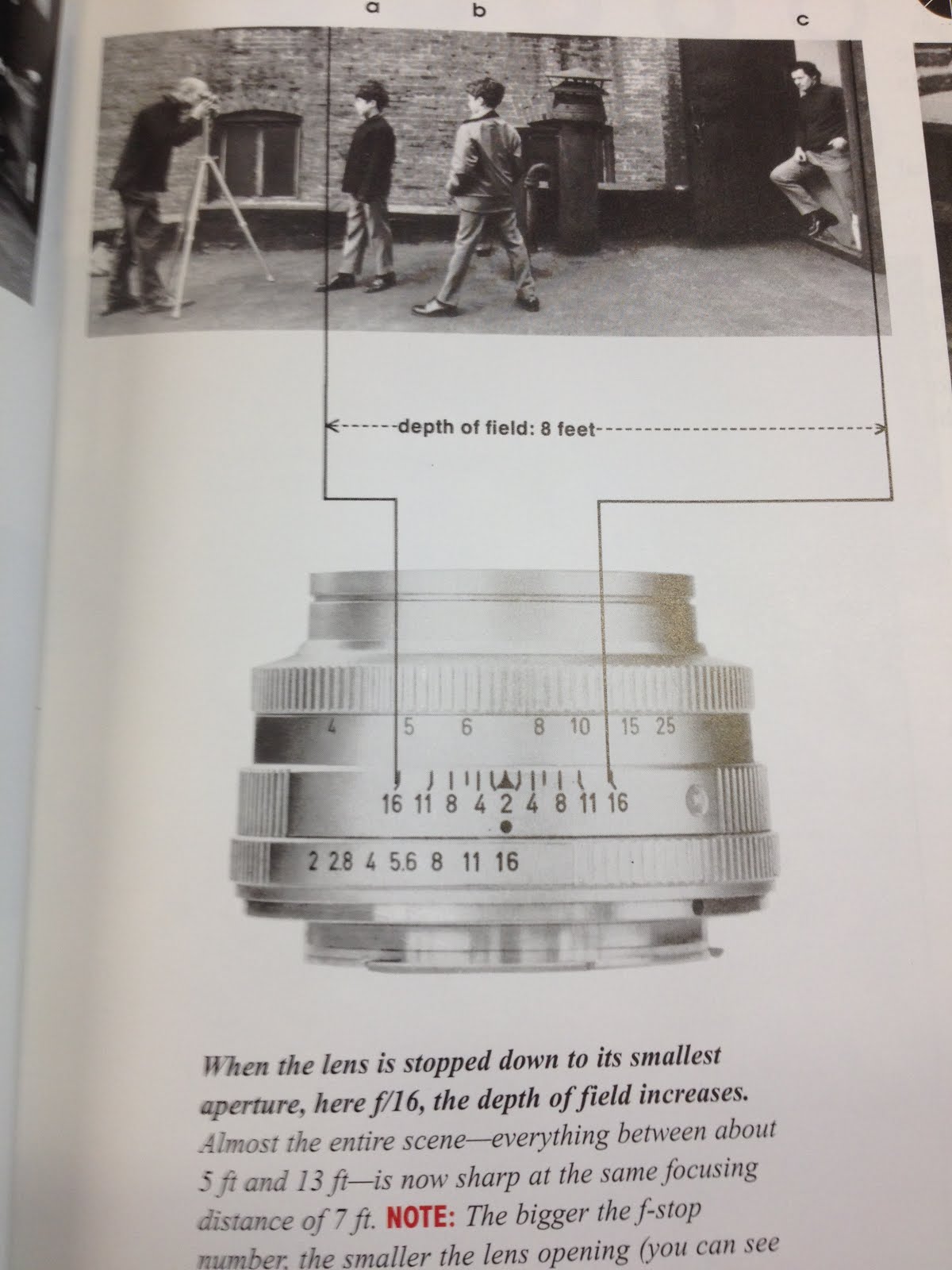
- Depth of Field (DoF): The selected zone of the camera that is in focus.


Summary:
The aperture can be used to control the brightness in a photo. Aperture works by controlling the lens making it big and small depending on what the aperture's set on. For example when you select a small aperture, the lens becomes larger, taking in most of the light, if the aperture is high, then the lens becomes smaller taking in less light. The lower the 'f stop' number is, the smaller the depth of field, meaning the camera will only focus on the front of the image (closest object to the camera lens) and the background will be blurred. Small 'f stop' numbers allow the lens to open wider, allowing more light to get in. Higher 'f stop' numbers have the opposite effect.


Element 2 – Shutter Speed and the Moving Object - Photos


Time: 5:30 pm 24/3/16
Conditions : inside, light entering from windows.
ISO: 400
Shutter speed: 1/60
Aperture: f/4
Metering Mode: pattern 


Time: 5:30 pm 24/3/16
Conditions : inside, light entering from windows.
ISO: 100
Shutter speed: 1/5
Aperture: f/5.6
Metering Mode:  average
flash used.


Time: 5:30 pm 24/3/16
Conditions : inside, light entering from windows.
ISO: 100
Shutter speed: 1/5
Aperture: f/5.6
Metering Mode:  average 


Definition:
The Shutter Speed is the unit of measurement on a DSLR Camera that determines how long the shutter remains open as the picture is taken.


Conclusion:
The slower the shutter speed, the longer the exposure time. The shutter speed and aperture together control the total amount of light reaching the sensor. Example below: